

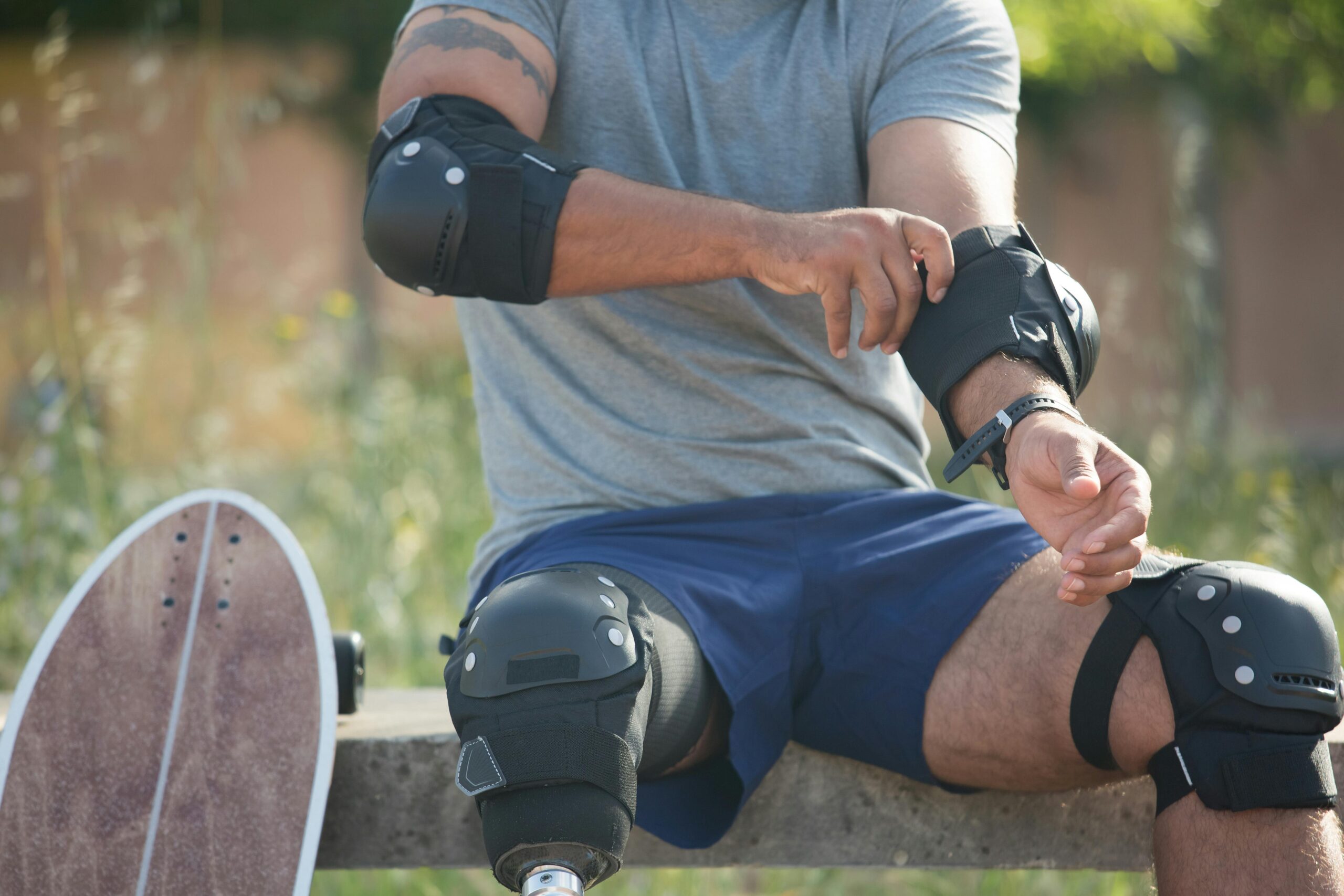
Knee protection is an important element of job safety, yet it is often overlooked until discomfort occurs. Every day, workers in construction, flooring, gardening, and industrial environments squat on hard surfaces, putting tremendous strain on their knees. Over time, this tension can cause painful, costly, and difficult-to-recover injuries. Proper knee pads can prevent these issues, but only if they satisfy accepted safety requirements. Understanding these guidelines allows you to select equipment that provides true protection rather than ineffective padding.
Knee pad safety standards specify how each product should operate under stress, impact, and prolonged use. Certified pads are lab-tested for strength, fit, and durability. These criteria help workers trust their equipment because each pad has been proved to perform under strain.
Why Safety Standards Matter
Knee pads are considered important personal protective equipment (PPE). Their function is to absorb shock, resist punctures, and provide comfort during repetitive kneeling. Without sufficient protection, continual stress can cause long-term joint or cartilage damage. Safety standards exist to ensure that protective equipment works as stated.
Certified pads go through rigorous testing to determine impact absorption, penetration resistance, and ergonomic design. Wearing pads that fulfill statutory standards reduces the chance of injury and improves work efficiency. Non-certified products may appear solid, but they frequently collapse under pressure. Safety standards eliminate uncertainty and provide measurable protection.
How Safety Standards Work
Standards outline the minimum level of safety that a knee pad must provide. They specify testing procedures, performance levels, and product labeling guidelines. These solutions ensure that users understand the type of protection they’re purchasing. The tests imitate real-world work conditions, ensuring that the pads can be trusted in everyday use.
Standard-compliant knee pads are evaluated for the following:
- Impact absorption refers to how much force reaches the knee following a fall or drop.
- Penetration resistance refers to how well pads prevent sharp or uneven surfaces from causing damage.
- Durability refers to how well materials withstand repeated kneeling and movement.
- Fit and stability entails ensuring that pads stay in place and are comfortable during lengthy periods of work.
A device that passes these tests receives certification, demonstrating its ability to withstand real-world stress safely and consistently.
Major International Standards
Different regions utilize different systems, but they all have the same goal: reliable, established protection.
EN 14404 – The European Standard
The EN 14404 standard specifies how knee pads used in Europe are designed and tested. It evaluates the pad’s capacity to absorb shocks, withstand sharp objects, and remain stable on the knee. This standard also assesses flexibility and comfort to ensure that workers may move freely while remaining safe.
EN 14404 divides pads into three protection levels:
- Level 0 provides basic protection for smooth flooring.
- Level 1 provides moderate protection for uneven or mildly rough terrain.
- Level 2 provides the best protection for heavy-duty or industrial settings.
For anyone who kneels frequently, such as construction workers or floor installers, Level 1 or Level 2 pads are the most secure options.
ASTM and ANSI – The U.S. Standards
In the United States, ASTM (American Society for Testing and Materials) and ANSI (American National Standards Institute) provide testing protocols. ASTM tests impact performance and compression resistance, whereas ANSI frequently adds ergonomic studies. Together, they ensure that the pads protect the knees while also providing flexibility.
Pads that fulfill these specifications are subjected to repetitive kneeling, hard-surface impact, and long-term wear. ASTM or ANSI codes on a product label indicate that the pad has been tested for professional use.
How Knee Pads Are Tested
Certification testing consists of various procedures that imitate how pads are used in the real world.
- Impact testing involves dropping a weight on the pad to determine how much force passes through. Less transmitted force means better protection.
- Penetration testing involves pressing sharp items against the pad to see if they can penetrate the surface.
- Durability testing says the pad is flexed, compressed, and subjected to simulated work conditions for an extended period.
- In Fit and movement testing examiners assess that the pad remains stable and pleasant throughout motion and repeated kneeling.
Only pads that pass all tests without substantial failure are certified. This assures that all approved products fulfill global safety standards.
Material and Design in Certified Knee Pads
The performance of a knee pad is strongly dependent on its materials and construction. Manufacturers employ layered designs to blend comfort, flexibility, and strength.
Common materials include
- EVA foam, which provides lightweight cushioning and reliable shock absorption.
- Gel inserts help to distribute pressure and avoid soreness during lengthy use.
- Hard thermoplastic shells provide impact and puncture resistance.
A well-designed pad uses these materials in a balanced manner. The hard shell distributes pressure throughout the surface, and the inside foam or gel absorbs stress. The end product is a tough pad that protects without limiting movement or comfort.
Recognizing Certified Products
Certified pads have a visible sticker or mark indicating compliance with standards. It usually contains:
- The standard’s name and number (for example, EN 14404 Type 1 Level 2).
- The manufacturer’s name or logo.
- The certification or exam date.
- A unique product identification.
If a product just claims to be “industrial-grade” or “heavy-duty” but does not display a certification code, proceed with caution. True compliance always includes verifiable data. Non-certified products are frequently indicated by labels that solely include marketing phrases and no technical facts.
Common Myths About Knee Pad Standards
Many users believe thicker cushions provide more protection. In actuality, protection is determined by materials and design, rather than quantity. Dense foam or gel with an appropriate compression rate can beat big pads.
Another myth is that one pad is suitable for all job types. Pads made for construction are not suitable for gardening, cleaning, or minor maintenance. Always choose a protection level appropriate for your work area.
It’s also vital to understand that certification isn’t permanent. Material wears out. If pads lose cushioning or reveal cracks, replace them right away. Even certified pads must be in good condition to function properly.
Maintenance and Longevity
Proper care extends the life of your pads and protects their safety features. After use, wash with moderate soap and water, then air dry. Avoid solvents and direct heat, as these might damage foam or adhesives.
Regularly inspect straps and fasteners for signs of wear. If they lose elasticity or are readily detached, replace or repair them. Store pads in a cool, dry area away from sunshine to prevent cracking. Simple maintenance methods like these help your gear work consistently and last longer.
Choosing the Right Knee Pad
Choosing the right pad is determined by your working environment and level of activity. Consider the following points:
- Pic Level 2 pads for heavy construction, flooring, and mechanical work.
- Choose Level 1 for mild kneeling activities such as painting or gardening.
- Ensure that the pad fits tightly without cutting off circulation.
- Look for adjustable straps and breathable linings to ensure long-term comfort.
The most protective pad is one that is comfortable to wear all day. Equipment that hinders movement or causes discomfort frequently goes unused, leaving you defenseless. When purchasing fresh pads, always consider safety, comfort, and usage.
Final Thoughts
Understanding knee pad safety standards allows you to make more informed, responsible safety decisions. Standards like EN 14404, ASTM, and ANSI are more than just technical regulations; they demonstrate that a product can withstand real-world stress. Certified pads provide verified protection, increased durability, and improved comfort, thereby preventing long-term knee injuries.
Whether you operate in an industrial setting or do projects at home, approved knee pads provide piece of mind and long-term safety. Always check for official insignia, replace worn pads as soon as possible, and adhere to maintenance standards. Trust in safety should be built through testing rather than advertising. Protect your knees with equipment that is designed and tested to do exactly what it promises: keep you safe, comfortable, and strong for years to come.