

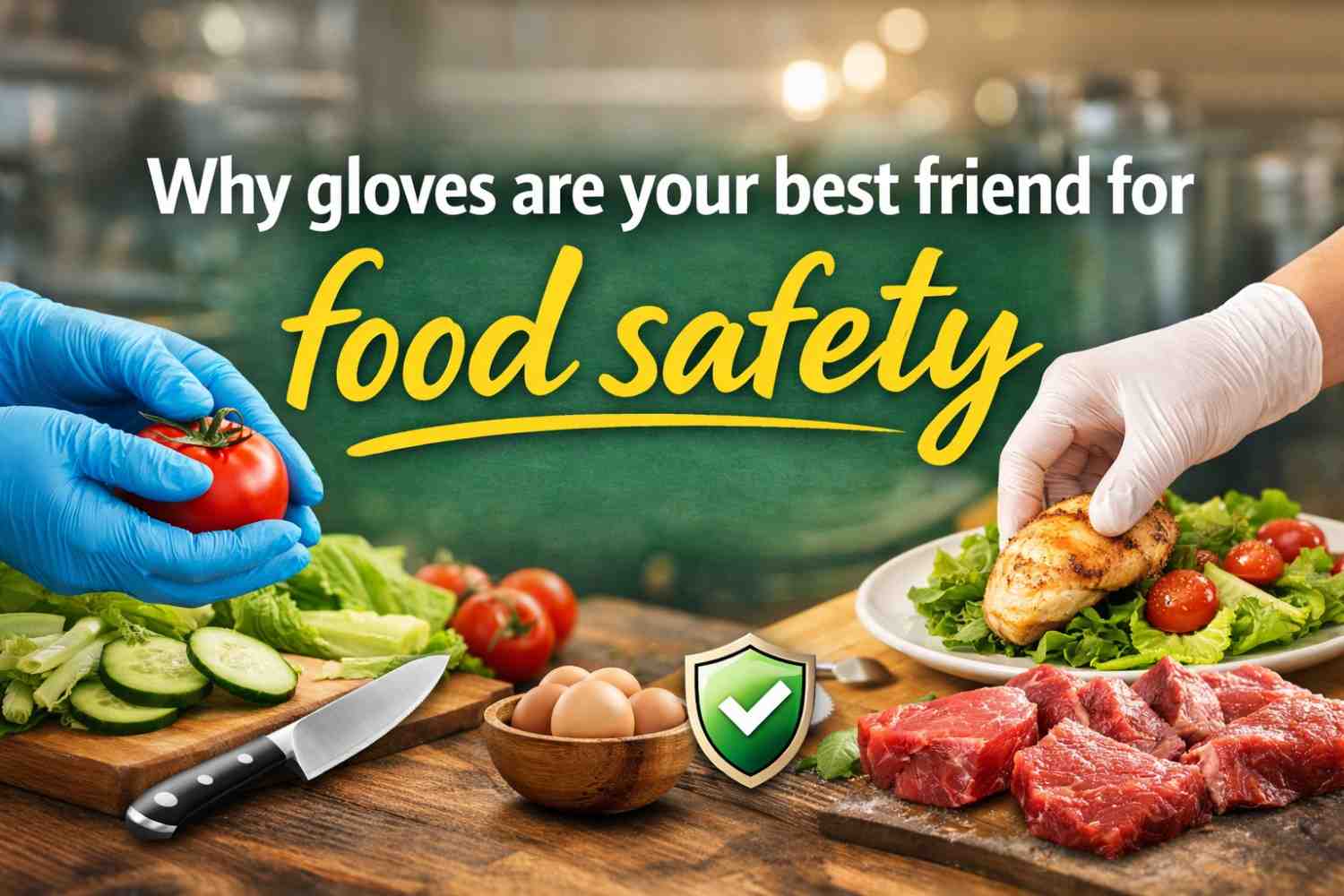
Food safety is more rather than only a set of guidelines; it is a responsibility that has a direct impact on health and wellness. Whether you work in a professional kitchen, run a food business, or prepare meals at home, adequate hygiene should always be a top priority. After all, even little mistakes in food processing might result in major health consequences.
While most people focus on cleaning surfaces, washing ingredients, and maintaining culinary equipment, one critical component is sometimes overlooked: hand protection. Gloves are especially useful in this situation.
Gloves are more than just a safety accessory. They act as a protective barrier that reduces contamination risks and ensures hygienic food handling. As a result, if you actually want to maintain excellent food safety standards, you must first grasp the importance of gloves.
Understanding Food Safety Risks
Before we discuss solutions, we must first properly comprehend the situation. Food contamination can occur at any stage of preparation, and, surprisingly, hands are one of the leading causes.
Common Sources of Contamination
- Direct touch with dirty or inadequately cleansed hands
- Cross-contamination of raw and cooked foods
- Transferring bacteria from surfaces, instruments, or packaging
- Skin infections, cuts, or invisible germs on hands
Furthermore, even if your hands appear clean, they can still harbor hazardous bacteria. This is because many germs are invisible to the naked eye. Therefore, relying just on handwashing is not always sufficient.
As a result, an additional layer of protection is required. Gloves are an excellent and practical option in this situation.
Why Gloves Matter in Food Safety
Now that the concerns have been identified, let us consider why gloves are so crucial. Gloves not only protect food but also make the working environment safer for the handler.
Key Benefits of Using Gloves
Prevent Direct Hand Contact
First and foremost, gloves serve as a protective barrier between hands and food. This reduces direct contamination greatly.
Reduce Bacterial Transfer
Even with good handwashing, some bacteria may remain. However, wearing gloves reduces the likelihood of these germs spreading to food during preparation.
Maintain Hygiene Standards
In professional kitchens and the food industry, cleanliness requirements are tightly maintained. Wearing gloves helps to meet compliance requirements and ensures consistency.
Improve Customer Trust
When clients witness adequate sanitary standards, they have higher faith in the food quality. As a result, gloves promote credibility and confidence.
How Gloves Fight Food Contamination
At this point, you grasp the significance of gloves. However, it is crucial to understand how they operate in real-world situations.
Safe Food Preparation
Gloves help to prevent direct contamination when chopping vegetables, cutting meat, or preparing ready-to-eat meals. This is especially critical when working with various ingredients.
Prevent Cross-contamination
Cross-contamination is one of the leading causes of foodborne illness. For example, handling raw meat and then touching fresh veggies can rapidly transmit hazardous pathogens.
However, by merely changing gloves between jobs, this danger can be successfully mitigated.
Read – Which Disposable Gloves Are Truly Safe for Food? Nitrile vs Latex vs Vinyl
Protection Against Cuts and Injuries
In many kitchens, sharp tools are used often. As a result, adopting cut-resistant gloves not only preserves food but also avoids injury. This provides a continuous workflow.
Consistent Hygiene Practices
Unlike handwashing, which is dependent on personal habits, gloves are a visible and constant safety precaution. As a result, they increase the general discipline of food handling.
Types of Gloves Used in Food Safety
Choosing the correct gloves is equally crucial as wearing them. Different tasks necessitate different kinds of gloves.
Disposable gloves
Disposable gloves are extensively used for food handling. They are intended for a single usage and should be discarded after each task.
Cut Resistant Gloves
These gloves are great for using knives and other sharp equipment. They offer safety without sacrificing flexibility.
You make like – Which Industries Benefit the Most from Cut-Resistant Gloves?
Heat Resistant Gloves
These gloves protect against burns and injuries when working on hot surfaces or with food.
Metallic Mesh Gloves
These are often utilized in meat processing and heavy-duty applications. They provide the highest level of cut resistance.
Choosing the appropriate glove type improves both safety and efficiency.
Best Practices for Using Gloves
Although gloves are quite effective, inappropriate use might negate their benefits. Therefore, adopting best practices is vital.
Important Guidelines.
- Always cleanse your hands before wearing gloves.
- Change gloves when changing duties.
- Never reuse disposable gloves.
- Avoid touching non-food things when wearing gloves.
- Dispose gloves carefully after usage.
In addition, if gloves get ripped or infected, they should be replaced immediately. Follow these actions to ensure optimal protection and hygiene.
Why Investing in Quality Gloves Matters
At this point, it is clear that gloves are essential. However, the quality of gloves also plays a significant role.
Advantages of High-Quality Gloves
Better Protection
Premium gloves offer increased resistance to cuts, punctures, and contamination.
Enhanced Comfort
Comfortable gloves promote consistent use. As a result, employees are less likely to remove them during tasks.
Durability
High-quality gloves endure longer and work better under pressure. As a result, they reduce the frequency of replacements.
Cost Efficiency
Although they may be more expensive initially, they save money in the long term by reducing injuries and losses.
Read More –
Can You Use Nitrile Gloves for Food Prep?
Can You Use Latex Gloves for Cooking?
Common Mistakes to Avoid While Using Gloves
Even though gloves are easy to use, mistakes can still occur. Therefore, being aware of common errors is vital.
- Use the same gloves for multiple tasks.
- Touching phones or surfaces while wearing gloves.
- Not changing gloves after contamination.
- Wearing gloves that are torn or may not fit properly
By avoiding these blunders, you can dramatically improve your food safety procedures.
The Human Side of Food Safety
Food safety is more than just following rules and regulations; it is about taking responsibility. Every meal has a direct effect on someone’s health.
Thus, wearing gloves is more than just a professional requirement. Instead, it is a simple method to demonstrate caring and devotion to people.
Whether you’re making meals for customers or your family, simple steps like wearing gloves can make a significant difference.
Conclusion
In short, gloves are truly your best friend when it comes to food safety. They serve as a protective barrier, lowering contamination risks and enhancing overall hygiene.
Furthermore, when used correctly, gloves improve productivity, compliance, and trust.
As a result, gloves should be seen as a necessary component of food handling rather than an optional accessory.
After all, healthy food begins with safe hands, and gloves make this feasible.